Author: Trotzendorff

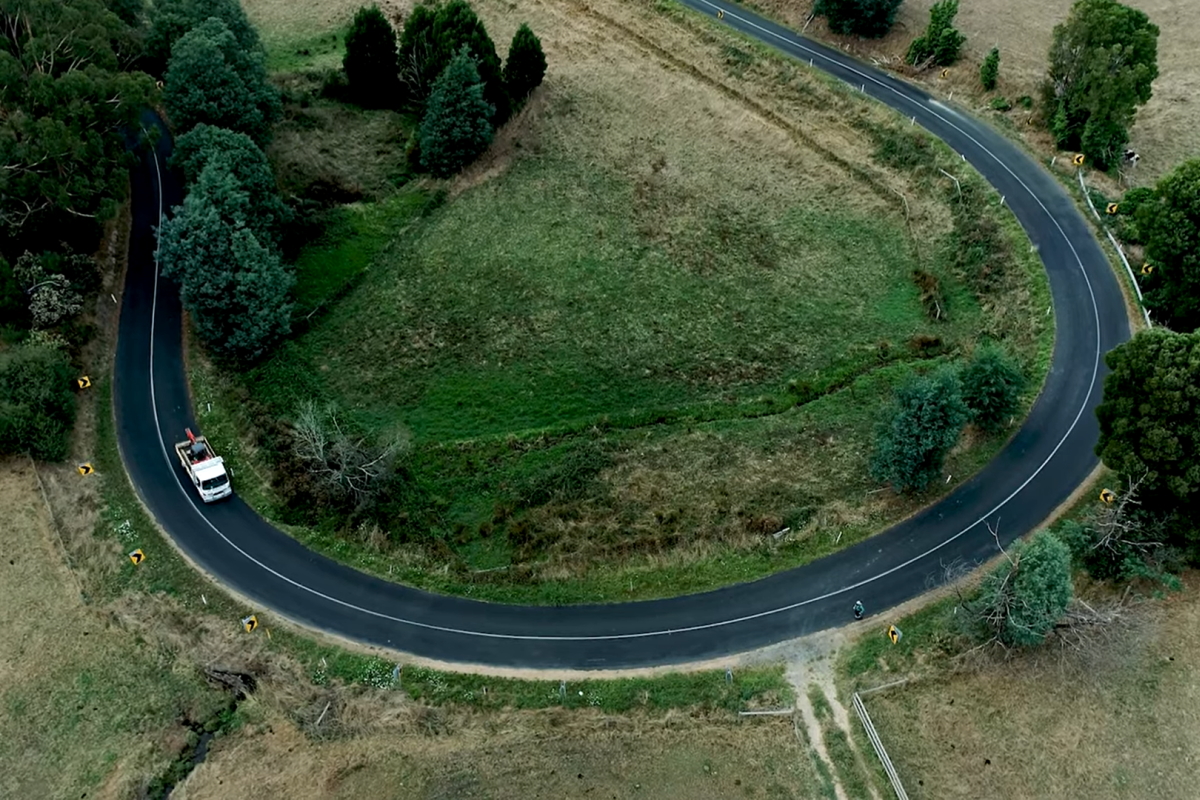
Aerial photograph of a man running down a winded road.

«To run is to feel your age»

When Beau Miles became 42, he ran 42 kilo­me­ters. Not the full length of a marathon though. So he wait­ed 71 days longer, until he became 42.195 years old — and ran 42.195 kilo­me­ters. «To cel­e­brate being alive». The film he has made about this run is a won­der­ful small masterpiece.

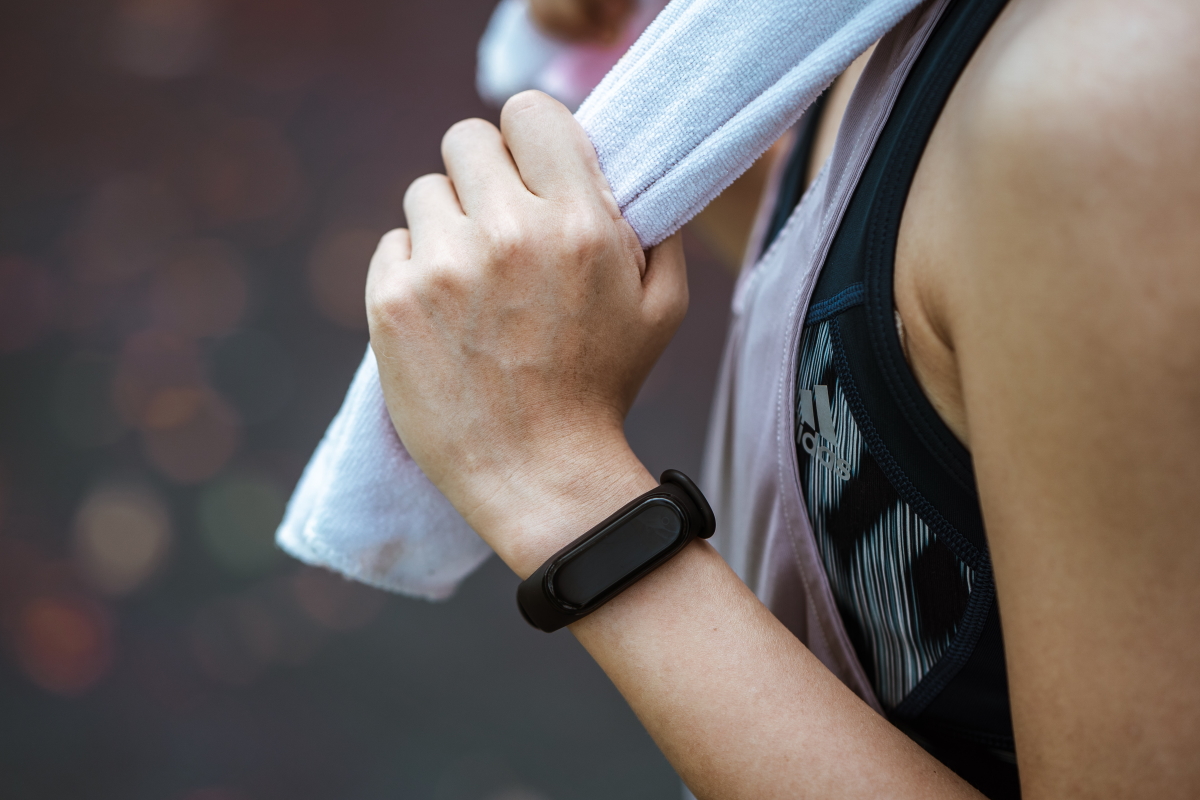
A woman is holding a towel while excercising.

Three running gadgets and technologies that cought my attention lately

While it’s true you don’t need any tech or gad­gets to run, there are a lot of them out there that are fun to use or can pro­vide you with data, moti­vat­ing insights or that can enrich your work­out. I’ve come across three gad­gets and new tech­nolo­gies late­ly that caught my atten­tion — and that I’d like to briefly intro­duce to you. Whoop 4.0 Descrip­tion: the Whoop 4.0 is a fit­ness track­er that col­lects data about recov­ery, strain and sleep per­for­mance. «From these fig­ures, it offers advice on how you should bal­ance your train­ing and rest to achieve peak ath­let­ic per­for­mance,» Har­ry Bull­more writes on Live­Science. What sounds like any oth­er fit­ness track­er on the mar­ket, has its USPs: the band itself is screen­less, IP68 dust­proof and water-resis­­tant at depths of up to 10 meters for two hours. The lack of GPS might be anoth­er con for some of us, but on the data sight the Whoop is show­ing off, as «it is the mul­ti-dimen­­sion­al approach to cal­cu­lat­ing recov­ery that is the jew­el in the Whoop …

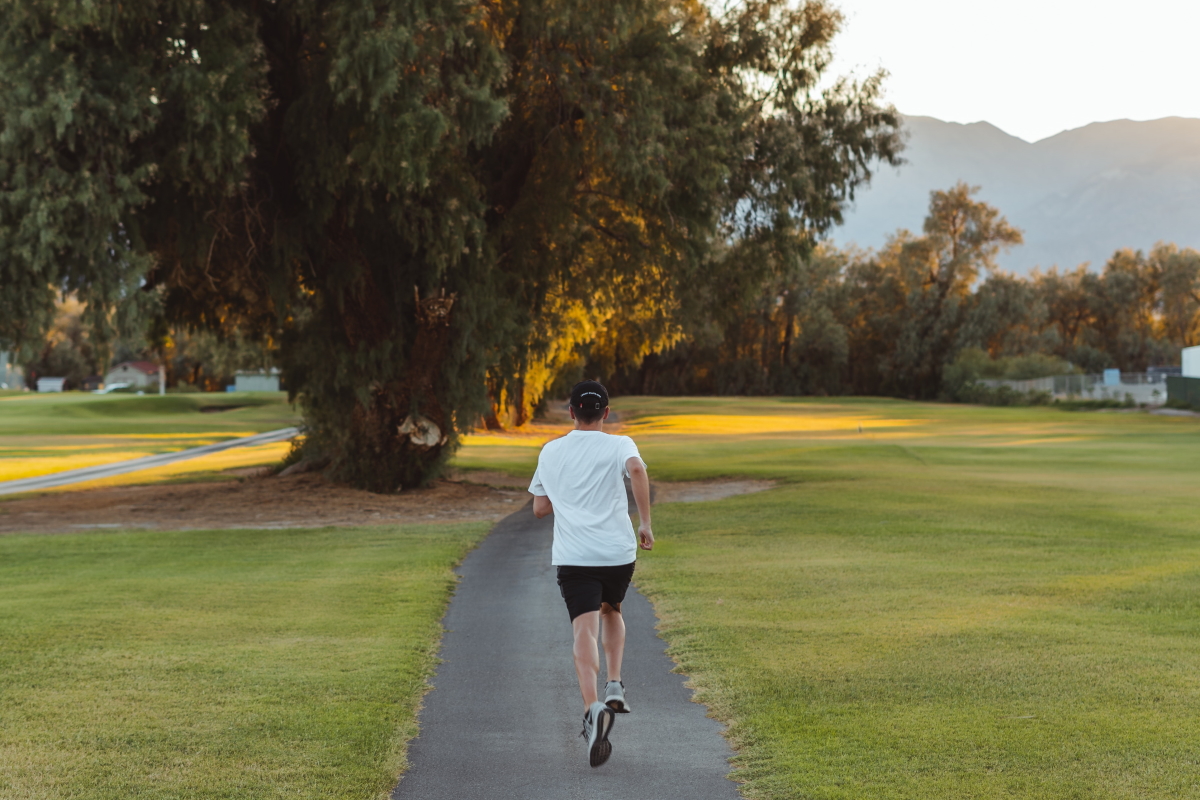
A woman seen from behind is running in a park.

The impact of the COVID-19 pandemic on runners around the world

You prob­a­bly have expe­ri­enced it your­self, or you may have read head­lines like this one: «Run­ning is enjoy­ing a boom because of the coro­n­avirus pan­dem­ic». And yes, it’s true. Gyms were closed. Spin class­es and boot camps had been can­celed. Peo­ple were stuck at home for most of the day for a long time. So run­ning has seen a boom dur­ing the coro­n­avirus pan­dem­ic. But what about the over­all sta­tis­tics? Did peo­ple run more dur­ing the pandemic?

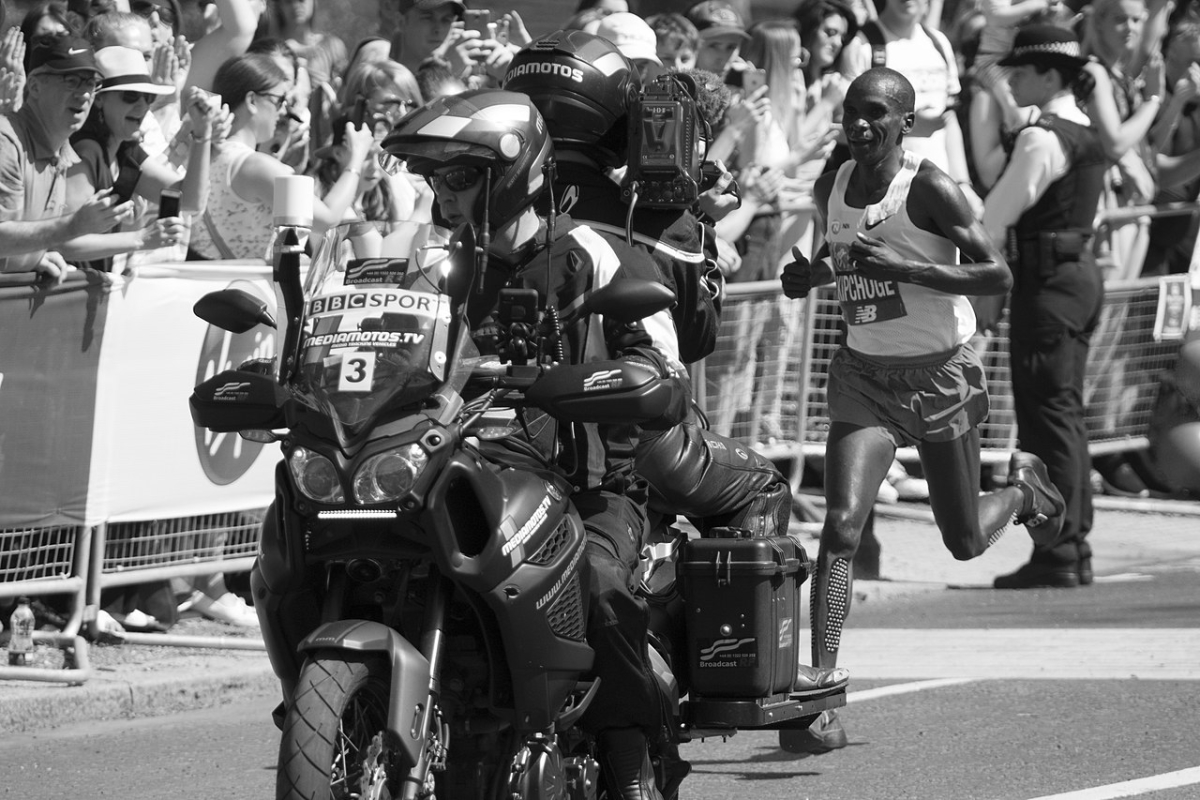
Eliud Kipchoge running the 2018 London Marathon.

«I have zero understanding how a human being can move that quick, that long»

Eli­ud Kip­choge recent­ly won the Tokyo Marathon in 2:02:40, not much slow­er than his cur­rent world record for the fastest marathon ever, set dur­ing the Berlin Marathon in 2018 with a time of 2:01:39. But what does that time mean? Mark Lewis, who describes him­self as an aver­age run­ner who is «not too bad» at any dis­tance, thought about this ques­tion a lit­tle longer. «It’s a 2 minute 54 per km pace for 42 km; stu­pid­ly quick,» he says. But: «I can’t com­pre­hend what he’s doing, not properly.»