While it’s true you don’t need any tech or gadgets to run, there are a lot of them out there that are fun to use or can provide you with data, motivating insights or that can enrich your workout. I’ve come across three gadgets and new technologies lately that caught my attention — and that I’d like to briefly introduce to you.
Whoop 4.0
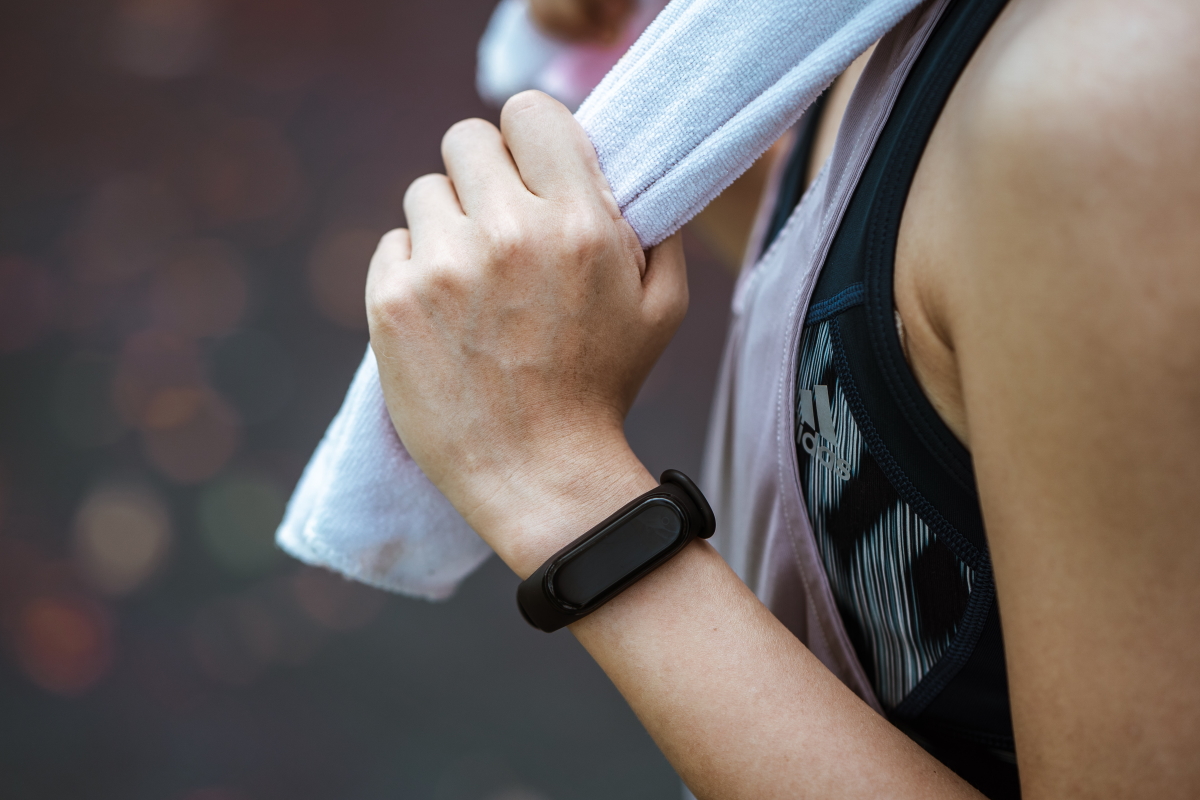
Description: the Whoop 4.0 is a fitness tracker that collects data about recovery, strain and sleep performance. «From these figures, it offers advice on how you should balance your training and rest to achieve peak athletic performance,» Harry Bullmore writes on LiveScience. What sounds like any other fitness tracker on the market, has its USPs: the band itself is screenless, IP68 dustproof and water-resistant at depths of up to 10 meters for two hours. The lack of GPS might be another con for some of us, but on the data sight the Whoop is showing off, as «it is the multi-dimensional approach to calculating recovery that is the jewel in the Whoop 4.0’s crown. By considering heart rate and heart rate variability, as well as sleep quantity and quality, it gives a more rounded view of your readiness for exercise.» Read the whole review at livescience.com.
Motesque
Description: We all would love to own individually fitted equipment, may it be the perfect running shoe, or the right bike. Motesque, a startup from Berlin, wants to find exactly the right equipment with a combination of motion analysis and artificial intelligence. With «MQ Pro Running» the company has an «advanced motion analysis technology,» that provides a «state-of-the art solution to analyze a customer’s running behavior and recommend the optimal sport shoe.» Motesque’s system containing the sensors, body-wear brackets and a compute station with software and remote update functionality is designed for retailers who want to give recommendations based on scientific results. The running style for example is determined «by pronation excursion, pronation velocity, impact forces, and the smoothness factors are calculated through braking and acceleration forces. This complex data set is then transferred into a clear and easy to understand overview that helps consumers make an informed decision.» If you want to dig deeper, there’s this video about how motion data could change the sports industry in the next years.
Omorpho
Description: «Loading your body with small amounts of distributed weight can help you build strength, power and endurance.» That’s the theory behind Omorpho’s «Gravity Sportswear». The sportswear collection by the company from Portland strategically places small amounts of weight across the garments. Per Omorpho’s website, these weighted clothes help athletes move like they normally would while increasing intensity. «We’ve always been told that what we wear for sports and fitness should be as lightweight as possible, but the first thing we do to get stronger and fitter is add resistance. So why not build it into what we wear?» says Stefan Olander, Co- founder of Omorpho, in a press relase. If you want to know more there is a fun to read experience report by Allana Akthar for Business Insider.